Source Rose Earrings for Wedding, Party, and Gift Use
Find 30 rose earrings options for weddings, parties, and gifts. Compare gold, silver, and stainless steel styles with SGS and BV certifications. Source customizable designs from China suppliers for your business needs; compare the available evidence and request quotations based on your requirements.
Key considerations
Products List


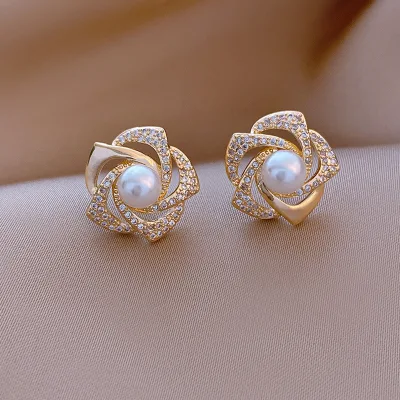


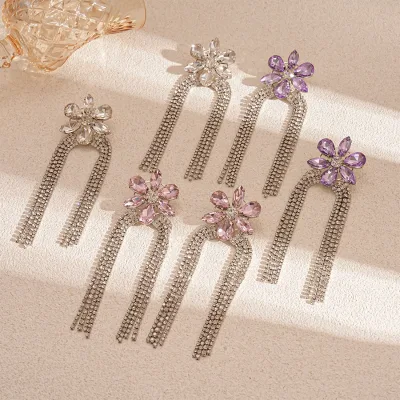


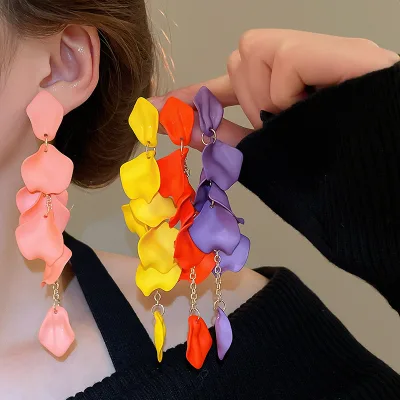


Comprehensive Sourcing Guide
Rose Earrings Sourcing Guide
Procurement teams evaluating rose earrings must first distinguish between the diverse product signals observed in current listings, which range from alloy and copper constructions to stainless steel and brass options. The market data indicates a significant variation in weight, with specific items recorded at 5g, 6g, 8g, and 10g, suggesting that buyers cannot assume a uniform mass across all suppliers offering this style. This variance directly impacts shipping costs and the perceived value of the finished jewelry, requiring careful specification of the target weight during the initial inquiry phase to avoid receiving mismatched inventory.
Buyers should also note the stylistic diversity present in the catalog, where designs range from star fashion and creative flowers to specific rose pearl configurations, all available in gold, silver, and white finishes. While some listings explicitly mention "rose red stone" accents, others focus on plating or material composition without detailing gemstone content, creating a potential ambiguity in the final product appearance. Sourcing strategies must therefore prioritize visual confirmation through high-resolution imagery or physical samples to ensure the "rose" aesthetic aligns with the intended brand identity before committing to a bulk order.
Product Scope and Observed Listing Signals
The observed product scope for rose earrings encompasses a wide array of usage scenarios, including decoration, gifts, collections, and specific events like weddings, parties, and Halloween celebrations. Listings frequently highlight customization capabilities, allowing buyers to tailor shapes such as flowers or rounds and select specific colors like gold or silver to match seasonal trends or corporate branding needs. This flexibility is a critical signal for procurement managers looking to create unique product lines that can adapt to changing consumer preferences without requiring a complete redesign of the manufacturing process.
Commercial signals indicate that suppliers are prepared to handle various order sizes, with minimum order quantities ranging from single units to 500 pieces, catering to both small boutique retailers and large-scale distributors. The packaging standards vary from simple OPP bags to more robust solutions involving bubble wrap and cartons, which suggests that logistics planning must account for different levels of protection depending on the supplier's default practices. Buyers should verify if the packaging includes specific branding elements or if it is generic, as this decision affects the unboxing experience and the perceived value of the gift item.
Technical Specifications to Verify
Technical verification must begin with the material composition, as the supply chain offers options ranging from alloy and copper to brass and stainless steel, each with distinct durability and plating characteristics. The weight specifications are particularly inconsistent across listings, with recorded values of 5g, 6g, 8g, and 10g, necessitating a strict requirement for weight tolerance in the purchase agreement to ensure consistency within a single batch. Procurement teams should explicitly define the acceptable weight range and material grade to prevent the receipt of lighter, lower-quality items that might fail to meet the expected aesthetic or tactile standards.
Dimensional and processing specifications also require rigorous validation, as the data shows a mix of hand-made processes and standardized models like ER50083 or A880, with sizes often listed as customized. The shape variations, including flowers, rounds, and specific rose designs, must be cross-referenced against physical samples to confirm that the "as picture" standard holds true for mass production. Additionally, the plating details, such as gold plating, should be verified for thickness and adhesion to ensure the color remains stable over time, especially for items intended for long-term wear or frequent handling.
Compliance and Safety Documentation
Safety compliance is a non-negotiable aspect of sourcing rose earrings, particularly given the explicit claims of being lead-free, nickel-free, and cadmium-free found in several product listings. Buyers must request current test reports from recognized third-party laboratories such as SGS, BV, or Intertek to validate these eco-friendly assertions, as self-declared statements without independent verification carry significant liability risks in regulated markets like Europe and North America. The presence of these certifications is essential for ensuring that the jewelry meets international safety standards and does not pose health risks to end consumers, especially those with sensitive skin.
Quality standards further dictate the documentation requirements, with some listings referencing US standards while others simply state "as picture" or "customized," creating a potential gap in regulatory alignment. Procurement teams should insist on a clear definition of the applicable quality standard for the target market, ensuring that the manufacturing process adheres to specific regulatory frameworks rather than relying on vague descriptions. This verification step is crucial for maintaining brand reputation and avoiding potential recalls or legal issues associated with non-compliant jewelry products entering the supply chain.
Cost Drivers and Commercial Terms
Cost structures for rose earrings are heavily influenced by the choice of base material, with stainless steel and brass typically commanding different price points compared to alloy or copper options. The weight of the item serves as another primary cost driver, as the variance between 5g and 10g products directly correlates with the amount of raw material consumed and the associated shipping expenses. Buyers should analyze the cost per gram to understand the true value proposition of different suppliers, ensuring that the quoted price reflects the actual material density and quality rather than just the finished appearance.
Commercial terms regarding shipping and packaging also play a significant role in the total landed cost, with options ranging from DHL, UPS, and TNT to various packaging configurations like OPP bags or custom cartons. The availability of OEM and ODM services suggests that customization costs may be factored into the unit price, requiring a detailed breakdown of tooling fees, sample charges, and bulk pricing tiers. Procurement managers must negotiate clear terms for these variable costs to prevent unexpected expenses that could erode profit margins, particularly when dealing with complex designs or specific packaging requirements.
Supplier Qualification and Quality Control
Supplier qualification should focus on verifying the origin of the products, as the data indicates a concentration of manufacturing in Zhejiang, China, a region known for its jewelry production capabilities. Buyers must assess the supplier's capacity to maintain consistent quality across different batches, especially given the observed variations in weight and material composition in the market listings. Establishing a robust quality control protocol that includes pre-shipment inspections is essential to ensure that the final products match the agreed-upon specifications regarding material, weight, and finish.
The ability to provide third-party certifications and adhere to specific quality standards is a key indicator of a supplier's reliability and commitment to safety. Procurement teams should evaluate the supplier's track record in handling orders for major markets like Europe, North America, and Russia, as this experience often correlates with a deeper understanding of international compliance requirements. Additionally, the availability of sourcing agent services and customized packaging options can indicate a supplier's flexibility and willingness to adapt to the specific needs of the buyer, which is vital for building a long-term partnership.
Long-Term Procurement Checks
Long-term procurement strategies for rose earrings must include regular audits of the supply chain to ensure that material sources and manufacturing processes remain consistent over time. As the market evolves, suppliers may alter their material compositions or plating techniques to reduce costs, which could inadvertently compromise the safety or aesthetic quality of the product. Continuous monitoring of the supplier's adherence to the agreed-upon standards and certifications is necessary to maintain the integrity of the brand and ensure that the products continue to meet the expectations of the end consumer.
Buyers should also establish a feedback loop with their suppliers to address any emerging issues related to product performance, such as plating wear or color fading, which can impact customer satisfaction. Regular reviews of the commercial terms, including pricing and lead times, are essential to adapt to market fluctuations and ensure that the procurement strategy remains competitive. By maintaining a proactive approach to supplier management and quality assurance, buyers can secure a reliable supply of high-quality rose earrings that support their business growth and brand reputation in the long run.
FAQs
What materials are used for rose earrings?
Rose earrings are crafted from various metals including alloy, copper, brass, and stainless steel. These materials provide durability and a premium finish. Some options feature gold plating for enhanced aesthetics. Buyers can select based on preference for hypoallergenic properties or specific weight requirements for comfort during wear.
Can I customize the size of rose earrings?
Yes, customization is available for rose earrings to meet specific design needs. The size can be customized according to your requirements. This flexibility allows for unique designs tailored to your brand. You can also request specific packaging solutions, such as OPP bags or bubble wrap, to ensure safe delivery and presentation.
Which certifications do rose earrings have?
Rose earrings hold SGS, BV, and Intertek certifications, ensuring quality and safety standards. These certifications verify that the products are lead-free, nickel-free, and cadmium-free. This makes them suitable for sensitive skin and compliant with international regulations. Buyers can trust these verified standards for ethical and safe sourcing decisions.
How are rose earrings packaged for shipment?
Rose earrings are typically packaged in individual OPP bags for protection. Some items include bubble wrap and carton packaging for added safety during transit. Customized packaging options are also available to suit specific branding needs. This ensures that the delicate earrings arrive in pristine condition, ready for display or gifting to end consumers.
What is the origin of these rose earrings?
These rose earrings originate from Zhejiang, China, a major hub for jewelry manufacturing. The products are designed with a star fashion or creative style, appealing to youth and female demographics. They are suitable for various occasions like weddings, parties, and gifts, making them versatile additions to any jewelry collection.
Are rose earrings suitable for sensitive skin?
Yes, rose earrings are designed to be safe for sensitive skin. They are certified as lead-free, nickel-free, and cadmium-free. This ensures that wearers do not experience allergic reactions or irritation. The use of high-quality materials like stainless steel and brass further enhances comfort, making them ideal for daily wear or special events.